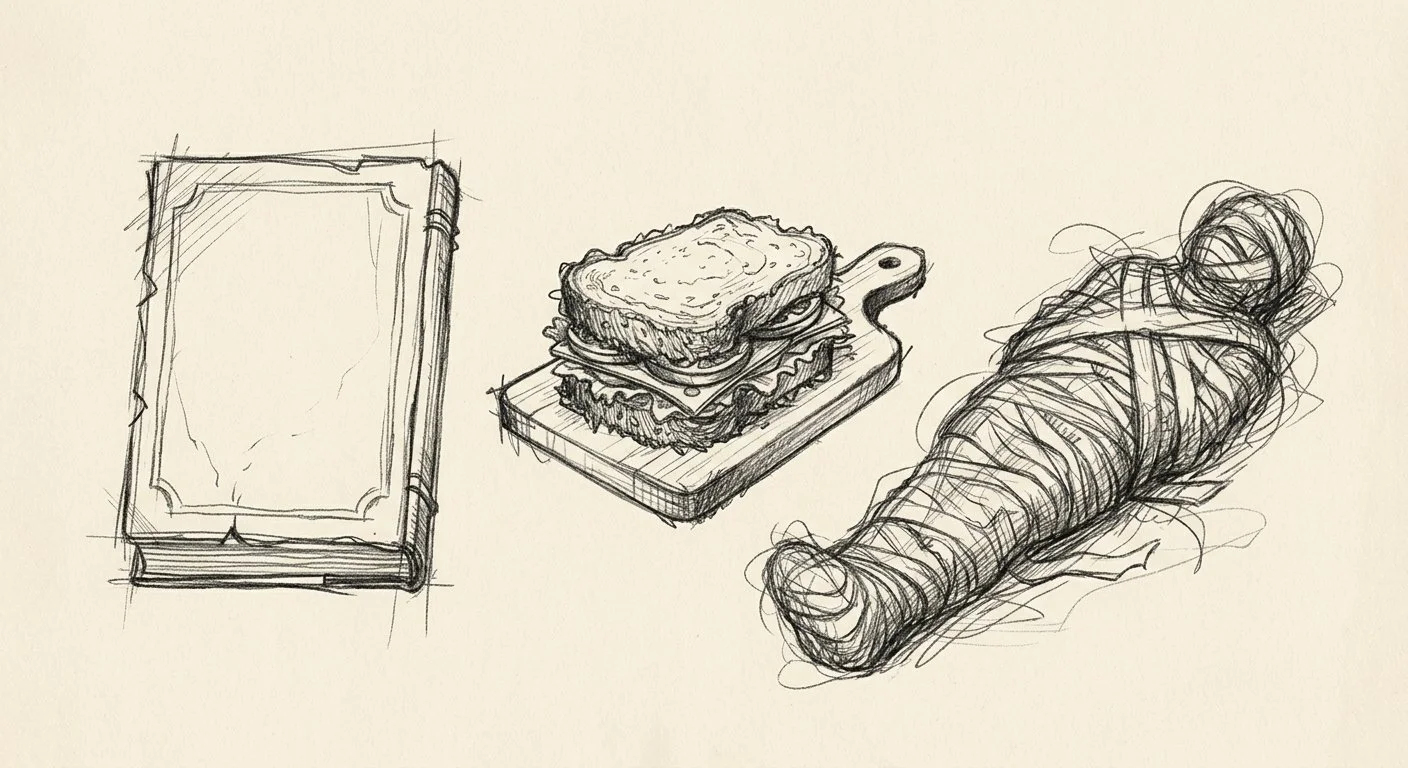
What Do a Book, the Haggadah, a Sandwich, and a Mummy Have in Common?
In one of my lessons this month, I got into a fascinating discussion with a student. We were talking about the root כ.ר.ך (K-R-KH) and began mapping out the various words that branch off from it.

I want to be fluent!
I would like to make an official announcement: "Fluent" is not a goal! It is like walking into a gym and announcing: "I want to be in shape!" Great, but what does that actually mean?
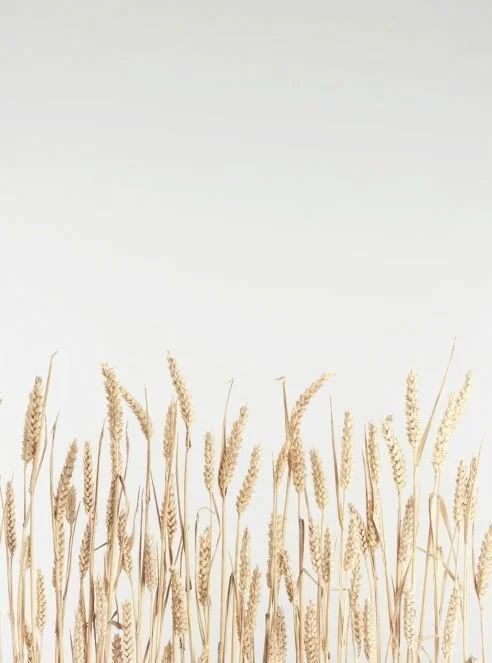
Oleh B’kaneh Echad: The Biblical Idiom That Survived the Test of Time
The modern meaning of this idiom is alignment, compatibility, or the absence of contradiction. The seven heads of grain grow out of a single kaneh, meaning they share the exact same stalk. Just as those heads of grain rise from one stalk, growing together in harmony and alignment, so too does the idiom represent ideas that fit perfectly together.
Home for Hebrew study materials
One of HWE's most significant collaborations is with Home for Hebrew, the curriculum developed by Maayan Sharet. The Home for Hebrew textbooks accompany our students at all levels, alongside additional materials that my teachers and I integrate. To get to know Maayan and the method better, I asked her to write about Home for Hebrew herself.

When a Teacher Becomes a Student
I was prepared for the novelties and surprises. What caught me off guard, however, was the difficulty arising from the similarities between the languages (Spanish and Hebrew).

Linguistic reflections on my son’s first haircut
The root of the Hebrew verb "To get a haircut" - Lihistaper (להסתפר) - is a very special root. My thoughts about short hair, time passing by and the beauty of Hebrew verbs.
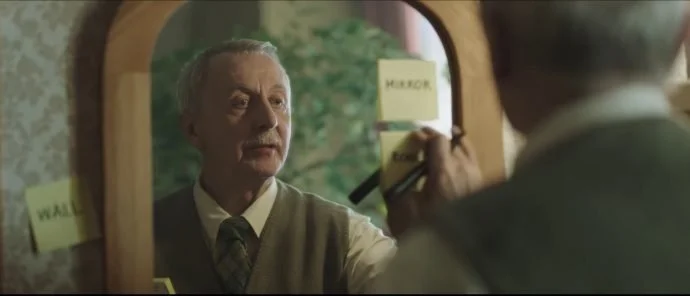
Will AI Replace my Hebrew Teacher?
Within seconds, AI can diagnose a student's level, build detailed curriculum, read essays, or listen to Hebrew monologues and correct errors, "conduct a conversation" in writing or even speech. The machine knows the rules of grammar and every word in the dictionary. So, why am I not worried?

More Than Just Words
Even students at very beginner levels have a personal, even emotional, connection to the language.