Oleh B’kaneh Echad: The Biblical Idiom That Survived the Test of Time
(Hebrew follows)
This month, in honor of Hebrew Book Week, a wave of videos flooded the internet discussing the "impoverishment" of the language and the dire state of Hebrew grammar studies in Israel’s education system. It’s a known fact that every generation loves to look down on the one that follows, soaking in nostalgic longing for the Hebrew, and perhaps the reality, of the past. It’s also a known fact that Hebrew, like any living language, isn’t just shrinking; it is constantly evolving. New slang is born, and original expressions pop up every day.
Truth be told, I love both ends of the spectrum: ancient idioms and modern innovations, high literary register and creative curse words. More than anything, I simply enjoy watching these processes unfold. This ongoing conversation inspired me to write about a unique Hebrew idiom with biblical roots that has managed to survive to this very day: Oleh B’kaneh Echad (literally: "rising from a single stalk," meaning to align or correspond with something).
The Dream of Pharaoh
The origin of this phrase takes us back to Pharaoh’s famous dream in the Book of Genesis (Chapter 41, verses 5–7):
"He fell asleep again and had a second dream: Seven heads of grain, healthy and good, were growing on a single stalk. After them, seven other heads of grain sprouted—thin and scorched by the east wind. The thin heads of grain swallowed up the seven healthy, full heads. Then Pharaoh woke up; it had been a dream."
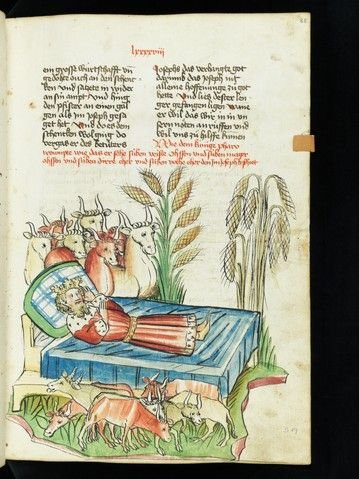
The modern meaning of this idiom is alignment, compatibility, or the absence of contradiction. The seven heads of grain grow out of a single kaneh, meaning they share the exact same stalk. Just as those heads of grain rise from one stalk, growing together in harmony and alignment, so too does the idiom represent ideas that fit perfectly together.
To look at it through a negative example: "His words did not go hand in hand (did not rise from a single stalk) with his actions." In other words, he said one thing, but did something completely incompatible.
I love imagery like this because it’s so visual. It's easy to picture a single stray head of grain breaking away from the stalk, growing in a completely different direction, and disrupting the harmony. It’s comforting to remember that even in our modern lives, which are usually so far away from nature, our language knows how to preserve its roots: cultural, religious, and even botanical.
What about you? Is there an ancient idiom or expression that you hold close to your heart?
החודש, לכבוד שבוע הספר העברי, התפרסמו שלל סרטונים על הידלדלות השפה והמצב הקשה של לימודי הלשון העברית במערכת החינוך בישראל. ידוע שכל דור אוהב לזלזל בדור שבא אחריו, לשכשך בעונג נוסטלגי לעברית שהיתה פעם, ואולי למציאות שהיתה פעם. ידוע גם שהעברית, כמו כל שפה חיה, לא רק מידלדלת אלא גם הולכת ומתפתחת; מילות סלנג חדשות נוצרות וביטויים מקוריים צצים להם. האמת היא שאני אוהבת גם וגם - ביטויים עתיקים וחידושים, שפה גבוהה וקללות עדכניות ויצירתיות. בעיקר אני נהנית להתבונן בתהליכים האלו מתרחשים. השיחה הזאת עוררה בי חשק לכתוב על ניב עברי מיוחד שמקורו תנ"כי והוא הצליח לשרוד עד היום: עולה בקנה אחד.
מקורו של הציטוט בסיפור של חלום פרעה הספר בראשית, פרק מ"א, פסוקים ה'-ז': "וַיִּישָׁן, וַיַּחֲלֹם שֵׁנִית; וְהִנֵּה שֶׁבַע שִׁבֳּלִים, עֹלוֹת בְּקָנֶה אֶחָד בְּרִיאוֹת וְטֹבוֹת. וְהִנֵּה שֶׁבַע שִׁבֳּלִים, דַּקּוֹת וּשְׁדוּפֹת קָדִים צֹמְחוֹת, אַחֲרֵיהֶן. וַתִּבְלַעְנָה, הַשִּׁבֳּלִים הַדַּקּוֹת, אֵת שֶׁבַע הַשִּׁבֳּלִים, הַבְּרִיאוֹת וְהַמְּלֵאוֹת; וַיִּיקַץ פַּרְעֹה, וְהִנֵּה חֲלוֹם"
פירוש מטבע הלשון הוא התאמה, היעדר סתירה. שבע השיבולים צומחות מתוך קנה אחד, כלומר, מאותו הגבעול. וכפי שגבעולי השיבולים עולות בקנה אחד, צומחות יחד בהתאמה ובהרמוניה, כך גם השימוש בביטוי כמייצג. דוגמא על דרך השלילה: דבריו לא עלו בקנה אחד עם מעשיו, כלומר, הוא אמר משהו שלא תאם את הפעולות שלו. אני אוהבת דימויים כאלו, שקל לדמיין - שיבולת אחת חורגת מהקנה, צומחת בכיוון אחר ומשבשת את ההתאמה. טוב לזכור שגם בחיים העכשוויים, שלרוב רחוקים מאוד מהטבע, השפה יודעת לשמר את המקורות - התרבותיים, הדתיים, ואפילו הבוטניים.
ואיזה ביטוי עתיק יומין אתם אוהבים במיוחד?
