When a Teacher Becomes a Student
(Hebrew follows)
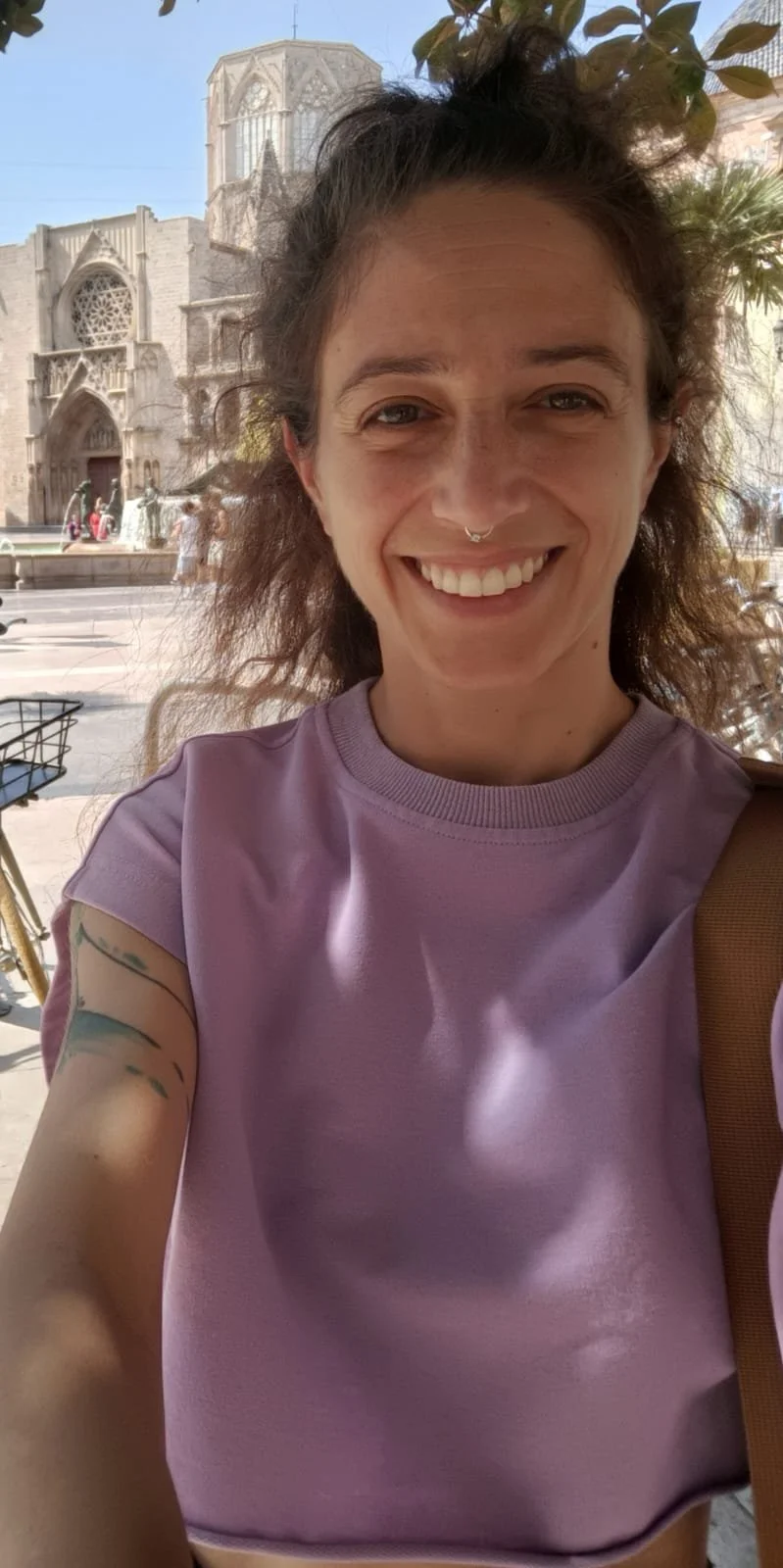
My partner, our dog and I arrived in Spain nine months ago. We immediately enrolled in an intensive Spanish course. I started at level A2. I came with a solid foundation and a large vocabulary, but my grammar was near zero. When I first entered the classroom and the teacher began to speak, I understood everything. It was wonderful! I had no trouble understanding or holding a conversation, even if I don’t always know how to conjugate verbs in the correct tense, people can understand me.
But then came the rules. The moment I had to fit those "things I just know" (or don't know) into structures and think before I speak, I got stuck. That was when I realized that everything I thought I understood about the difficulties of learning a second language was just the tip of the iceberg.
A Mix of Tongues
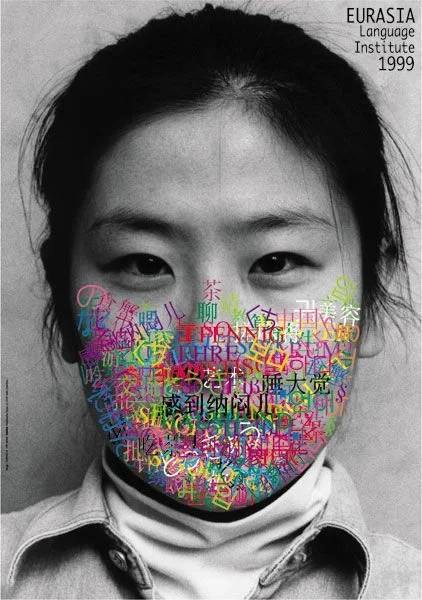
Learning a new language exposes you to things you might not have even known existed. For instance, in Hebrew, verbs are conjugated by gender, in English, there are more tenses. Those learning Chinese will discover four distinct tones—miss the mark on your "ma" sound, and you might call your mother a dog. In Spanish, we have to learn to roll our tongues and master the "R" to distinguish between PERRO (dog) and PERO (but).
I was prepared for the novelties and surprises. What caught me off guard, however, was the difficulty arising from the similarities between the languages. Unlike English, but just like in Hebrew, Spanish nouns have a gender. The English speakers in my class can barely wrap their heads around this. I found it amusing that despite the strong resemblance between Spanish and English, my Hebrew is just as similar in the end.
But what happens when the grammatical gender in Spanish doesn't match the one in Hebrew? Chaos. Every text I write, I have to re-read three times, searching for nouns that are "gender-confused". Over time, the mistakes lessen, and I manage to notice in real-time and respect the Spanish definition of each noun.
And yet, there are some habits I just can't break. The word for "thing" in Spanish is COSA. And "home" is CASA. Both are masculine in Hebrew (Davar and Bayit) and feminine in Spanish. No matter how hard I try, I doubt I’ll ever truly relate to them correctly. I suppose each word has its own hidden reason for being stuck in my brain. The word Davar (thing) is used so intensely in Hebrew. Everything is a "thing"! So how can a "thing" (masculine) suddenly become a Cosa (feminine)?
And home? What about it? It's another strong anchor, linguistic and emotional. In my mind, home is "he": secure, rooted, protective. Perhaps after enough time in Spain, the home will become CASA and will be "she": secure, rooted, and shielding? I don't think it's a coincidence that the word "home" is seared into my mind in my native tongue. There is a reason, after all, why we call it a "Mother Tongue."
The English Influence
What’s even more surprising? I also mix English with Spanish at the expense of my Hebrew. Why is that so strange? Because English isn't my native language. In my childhood, it was a third language I was exposed to years after I had already been regularly exposed to Spanish (via pop culture). In both Hebrew and Spanish, the word order is Noun + Adjective: Yalda Chachama, Chica Lista (Smart Girl). In English, it’s the opposite. So why, half the time in Spanish, do I put the adjective before the noun? Maybe it's the identical Latin alphabet, or the direction of writing - I don't know. But it turns out my English also leaves its mark on my Spanish.
So, I try. I practice, I repeat, and I practice again. But I also understand that I don't meet the Spanish language as a Tabula Rasa. With Hebrew and English in the background, there will be more mistakes and mix-ups along the way. I will surely continue to make mistakes; it’s all part of the learning process. All that’s left for me to do is laugh and move on to the next "thing."
כשמורה הופכת לתלמידה
לספרד הגענו לפני תשעה חודשים: בן הזוג, הכלב ואני. מייד נרשמנו ללימודי ספרדית אינטנסיבים. התחלתי ברמה A2, הגעתי עם בסיס יפה, אוצר מילים עצום אבל גרמטיקה שואפת לאפס. כשנכנסתי לכיתה והמורה התחילה לדבר, הבנתי הכל. זה היה נפלא! אין לי שום בעיה להבין או לנהל שיחה, גם אם אני לא יודעת להטות את הפעלים בזמנים הרלוונטים - מבינים אותי. אבל אז התחילו להגיע החוקים, וברגע שהייתי צריכה להכניס את "הדברים האלה שאני פשוט יודעת" (או לא) לתבניות, ולחשוב עליהם לפני שאני מדברת, נתקעתי. שם הבנתי שכל מה שחשבתי שהבנתי עד היום בנוגע לקשיים בלמידת שפה שניה היה רק קצה קצהו של המזלג.
מיקס של שפות
כשלומדים שפה חדשה נחשפים לדברים חדשים שאולי אפילו לא ידענו שקיימים. למשל, בעברית יש לפועל הטיות לזכר לנקבה, באנגלית יש יותר זמנים (Tenses). לומדות הסינית יגלו שיש ארבעה טונים בשפה, ושאם לא תדייקי בצליל ה"מא" שלך, תקראי לאמא שלך "כלב" במקום "אמא". בספרדית נצטרך ללמוד לגלגל את הלשון ואת הR כדי לדייק בהגייה בין PERRO (כלב) לPERO (אבל).
לחידושים והפתעות הייתי מוכנה, מה שתפס אותי לא מוכנה היה הקושי שנוצר דווקא בחלקים הדומים בין השפות. בניגוד לאנגלית וכמו בעברית, בספרדית לשמות עצם יש מין. דוברי האנגלית בכיתה שלי כמעט לא מצליחים לתפוס את זה! השתעשעתי מהרעיון שלמרות הדמיון הגדול בין ספרדית לאנגלית, בסוף דווקא העברית שלי דומה לא פחות!
אבל מה קורה כשהמין הדקדוקי של שמות עצם בספרדית לא תואם את המין בעברית? סלט. כל טקסט שאני כותבת אני צריכה לחזור ולקרוא שלוש פעמים בחיפוש אחר שמות עצם "מבולבלים מגדרית" שלא באשמתם. עם הזמן הטעויות הולכות ופוחתות ואני מצליחה לשים לב בזמן אמת ולכבד את ההגדרה הספרדית של כל שם עצם, ויחד עם זאת יש שיבושים שאני לא מצליחה להיגמל מהם: "דבר" בספרדית זה COSA. ובית זה CASA. שניהם זכר בעברית ונקבה בספרדית, ולא משנה כמה אני מנסה, אני בספק אם אי פעם אצליח להתייחס אליהם בצורה הנכונה. אני מניחה שלכל אחת יש את הסיבה הנסתרת שלה להיתקע אצלי במוח. המילה "דבר" נמצאת בשימוש תדיר בשפה העברית: כל דבר הוא דבר! אז איך פתאום הדבר יהפוך לדָבֶרֶת? והבית, מה איתו? עוד עוגן. שפתי, רגשי. הבית בטוח, שורשי, מגן. אולי אחרי מספיק זמן בספרד הבית יהיה CASA ויהיה בטוחה, שורשית ומגנה? אני חושבת שלא סתם המילה "בית" נצרבה אצלי בשפת האם, שלא סתם קוראים לה שפת *אם*.
ומה אפילו יותר מפתיע מזה? שגם את האנגלית אני מערבבת עם הספרדית על חשבון העברית! ולמה זה כ"כ מפתיע? כי אנגלית היא לא שפת אם שלי, ובילדותי היא בכלל הייתה שפה שלישית שנחשפתי אליה שנים אחרי שנחשפתי לספרדית באופן קבוע. בעברית ובספרדית הסדר של המילים הוא שם עצם + שם תואר. ילדה חכמה, בית גדול. באנגלית, הפוך. אז למה בחצי מהפעמים בספרדית אני מקדימה שם תואר לשם עצם? אולי בגלל האותיות הזהות, אולי בגלל כיוון הכתיבה, אני לא יודעת. אבל מסתבר שגם לאנגלית שלי יש השפעה על הספרדית.
אז אני משתדלת, ואני מתרגלת וחוזרת ומתרגלת וחוזרת שוב ושוב, אבל אני גם מבינה שאני לא מגיעה טאבולה ראסה לשפה הספרדית, ועם העברית והאנגלית ברקע יהיו עוד טעויות ושיבושים שאני אגלה בהמשך והדרך. בטוח שאמשיך לשגות ולטעות, זה חלק מתהליך למידה. מה שנשאר לי זה לצחוק ולהמשיך לדבר הבא.