What Do a Book, the Haggadah, a Sandwich, and a Mummy Have in Common?
(Hebrew follows)
One of the things that fascinates me most about Hebrew is the vast richness hidden within its conciseness. The Hebrew root system is a true marvel: it guides us to find parallel lines, connecting threads, and deeper meanings between words that, on the surface, seem entirely unrelated. The moment you understand the root, the language stops being a random collection of words and becomes a web of ideas.
In one of my lessons this month, I got into a fascinating discussion with a student. We were talking about the root כ.ר.ך (K-R-KH) and began mapping out the various words that branch off from it. At first glance, what could a lunchtime meal possibly have in common with ancient history or Passover? But when you dive deeper, the linguistic structure reveals itself in all its beauty:
Krikha (Book cover / Binding): The outer shell that holds the pages together and gathers them into a single, complete unit.
Korekh (Passover Haggadah): Hillel the Elder’s famous tradition of wrapping matzah and bitter herbs together into a single bite that encapsulates memory, flavor, and history.
Karikh (Sandwich): Everyone’s favorite! Bread that wraps the filling from above and below to make it convenient to pack and eat.
Takhrikhim (Shrouds): The special cloths used to wrap the body (much like the tight wrapping of an ancient mummy).
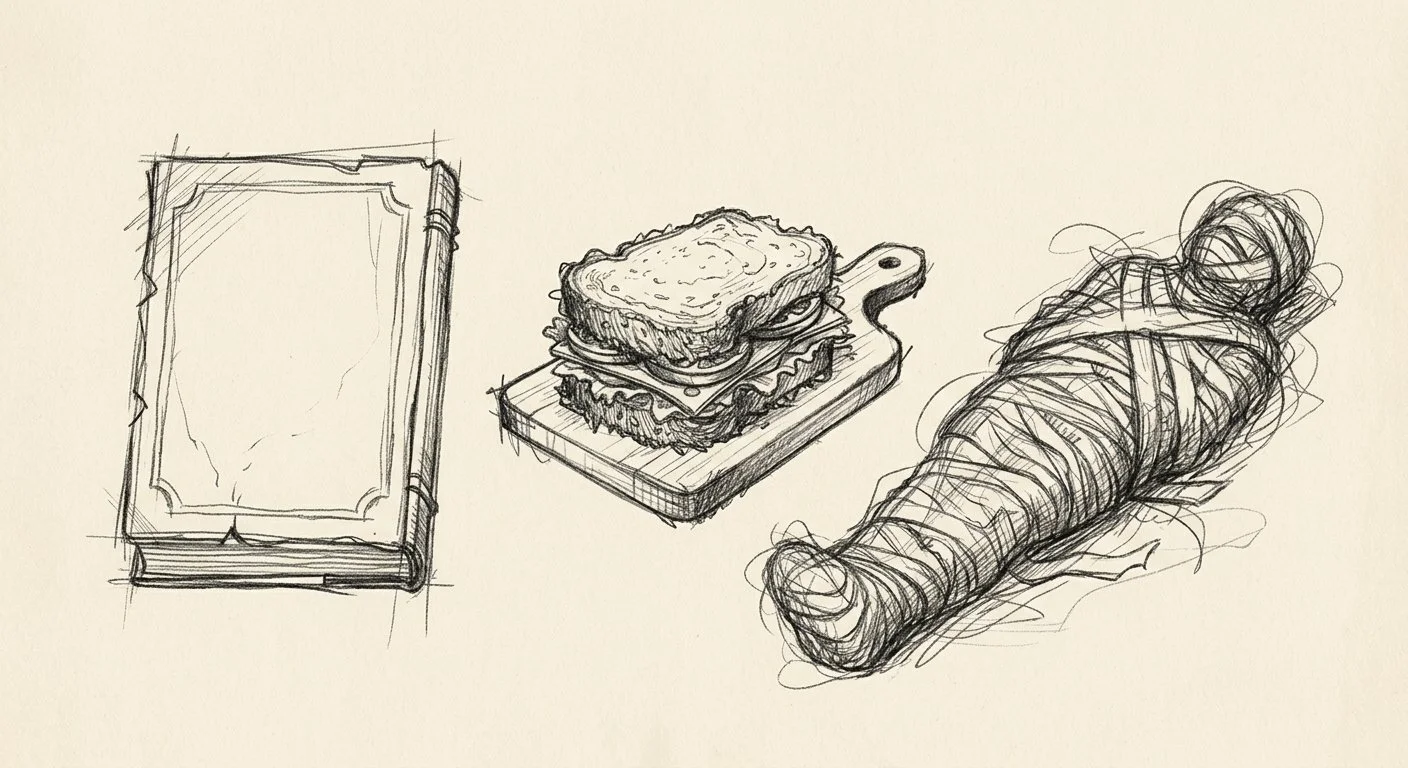
The root כ.ר.ך isn't just about connecting things; it’s about enclosing and gathering them from all sides. The wrapping, whether made of cardboard, linen shrouds, sandwich bread, or matzah, gives shape, protection, and identity to whatever lies within it.
The idea that a three-letter root can capture such an abstract concept and apply it to food, books, traditions, and rituals is precisely the richness in conciseness that makes learning and teaching Hebrew such a daily wonder.
Which word from the root כ.ר.ך is your favorite?
שורש כ.ר.ך: מה הקשר בין ספר, הגדה, סנדוויץ' ומומיה?
אחד הדברים שמרתקים אותי בעברית הוא העושר העצום שטמון דווקא בצמצום.
מערכת השורשים בעברית היא פלא של ממש: היא מכוונת אותנו לחפש קווים מקבילים, חוטים מקשרים ומשמעויות עומק בין מילים שעל פני השטח נראות שונות לחלוטין. ברגע שמבינים את השורש, השפה מפסיקה להיות אוסף של מילים מקריות והופכת לרשת של רעיונות.
באחד מהשיעורים שלי החודש, נכנסתי לדיון מרתק עם תלמיד. דיברנו על השורש כ.ר.ך, והתחלנו לפרוש את המילים השונות שצומחות ממנו. במבט ראשון, מה כבר יכול להיות המכנה המשותף בין מה שאנחנו אוכלים בצהריים לבין משהו שקשור לעולם העתיק או לחג הפסח? אבל כשצוללים פנימה, המבנה הלשוני נחשף במלוא יופיו:
כריכה (של ספר): המעטפת החיצונית שמחזיקה את הדפים יחד ואוספת אותם ליחידה אחת שלמה.
כורך (בהגדה של פסח): המנהג המפורסם של הלל הזקן לעטוף ולחבר יחד את המצה והמרור לכדי ביס אחד שמכנס בתוכו זיכרון, טעם והיסטוריה.
כריך (סנדוויץ'): המאכל הלאומי של כולנו, לחם שמקיף ועוטף את המילוי מלמעלה ומלמטה כדי להפוך אותו לארוחה נוחה לאריזה ולאכילה.
תכריכים: בדים מיוחדים בהם עוטפים את הגוף (ממש כמו העטיפה המהודקת של מומיה בעת העתיקה).
שורש כ.ר.ך הוא לא רק פעולה של חיבור, אלא פעולה של הקפה ואיסוף מכל הצדדים. העטיפה, בין אם היא עשויה קרטון של ספר, בדים של תכריכים, לחם של כריך או מצה של הלל: מעניקה צורה, הגנה וזהות למה שנמצא בתוכה.
המחשבה ששורש בן שלוש אותיות בלבד מסוגל ללכוד רעיון מופשט כל כך וליישם אותו על אוכל, ספרים, מסורת וטקסים היא בדיוק העושר שבצמצום שהופך את הלמידה וההוראה של העברית לחוויה יומיומית מופלאה.
איזו מילה מהשורש כ.ר.ך היא האהובה עליכם?
