More Than Just Words
(Hebrew follows)
One of the exercises I use when facilitating Hebrew workshops is a quick round where each participant shares one Hebrew word they particularly love, and why. Sometimes it’s a word they find funny, sometimes it’s linked to a positive memory, or a word that holds a special place in their heart. It is interesting to see that even students at very beginner levels have a personal, even emotional, connection to the language. In all my years of teaching, hardly any word has ever been repeated.
מישמיש (Mish-mish) – Apricot
ירח (Ya-re-akh) – Moon
להסתודד (Le-his-to-ded) – To whisper secrets / To huddle
שיבולת שועל (Shi-bo-let shu-al) – Oats
ברמות (Be-ra-mot) – Totally (Slang)
In one of the workshops, a student shared that his favorite word is Bama (במה), meaning "Stage." For years he had been visiting Israel, since he was a child, and he was well acquainted with Habima Square in Tel Aviv (also known as the Culture Square). He had never asked himself what the name meant; the place, along with its name, was simply an existing fact to him: a square he passed through on his way somewhere else. It was only when he learned the word Bama in his Hebrew class that it clicked.
In a single moment, the familiar location gained another layer of meaning. He stopped and smiled. He felt that this wasn’t just a linguistic understanding, but that an additional layer of culture was opening up to him; that he was touching the depth of a place, a history, and a people.
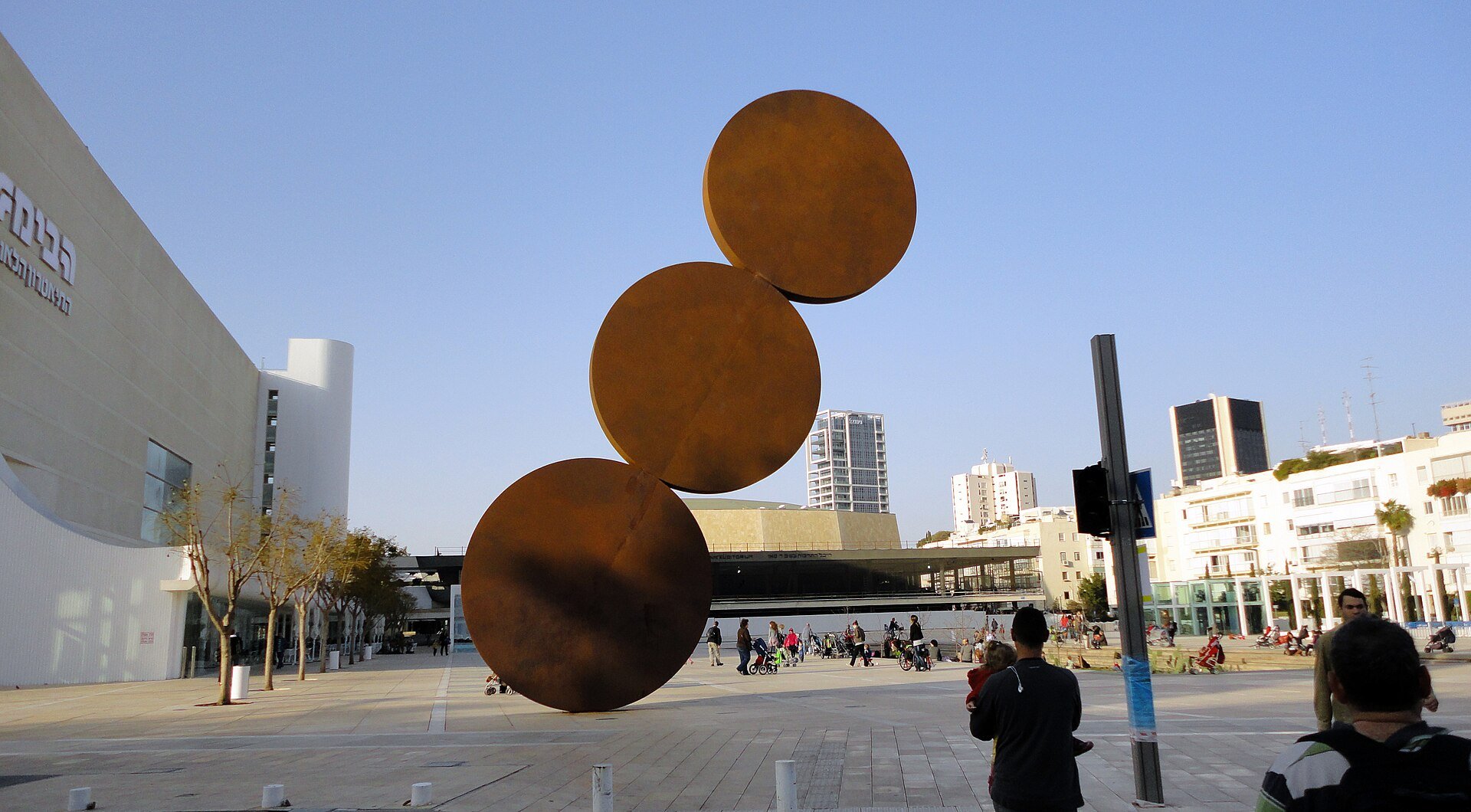
Elevation (Hitromamut), a sculpture by Menashe Kadishman, 1974, Habima Square
For me, the magic of language teaching is created in these moments. It's when the student doesn't just memorize and retrieve new words, but when the language serves as a gateway to a cultural space where there is connection and context, an interesting relationship between the words and what they represent. The Hebrew language is so complex and beautiful that teaching it is full of such moments. Even after more than a decade of teaching, I still discover more and more of these pearls myself through my encounters with students.
Don’t worry about sounding professional. Sound like you. There are over 1.5 billion websites out there, but your story is what’s going to separate this one from the rest. If you read the words back and don’t hear your own voice in your head, that’s a good sign you still have more work to do.
Be clear, be confident and don’t overthink it. The beauty of your story is that it’s going to continue to evolve and your site can evolve with it. Your goal should be to make it feel right for right now. Later will take care of itself. It always does.
אחד התרגילים שאני מרבה להשתמש בו כשאני מנחה סדנאות עברית הוא סבב מהיר בו כל משתתפת ומשתתף מספרים על מילה אחת בעברית שהם אוהבים במיוחד, ולמה. לפעמים זאת מילה שמצחיקה אותם, לפעמים מילה שקשורה לזיכרון חיובי, מילה שיש לה מקום מיוחד אצלם בלב. מדהים לגלות שגם לתלמידים ברמות מתחילות מאוד יש קשר אישי, רגשי אפילו, לשפה. לאורך כל השנים שאני מנחה, כמעט אף מילה לא חזרה על עצמה.
"מישמיש"
"ירח"
"להסתודד"
"שיבולת שועל"
"ברמות"
באחת הסדנאות, תלמיד שיתף שהמילה האהובה עליו היא "במה". שנים שהוא מבקר בישראל, מאז שהוא ילד, והוא מכיר היטב את כיכר הבימה בתל אביב (הידועה גם בשם כיכר התרבות). מעולם הוא לא שאל את עצמו מה משמעות השם. המקום, יחד עם שמו, היה עובדה קיימת מבחינתו, רחבה שהוא עובר בה בדרך לאנשהו. רק כשהוא למד את המילה "במה" בשיעור העברית שלו הוא קלט. ברגע אחד המקום המוכר קיבל עוד רובד של משמעות. הוא עצר וחייך. התלמיד הרגיש שזוהי לא רק הבנה שפתית, לשונית, אלא ששכבת משמעות נוספת בתרבות נפתחת בפניו ושהוא נוגע בעומק של מקום, של היסטוריה, של עם.
עבורי, הקסם בהוראת שפה נוצר בדיוק ברגעים כאלו. כשהתלמידה או התלמיד לא רק זוכרים ושולפים מילים חדשות, אלא כשהשפה משמשת כשער אל מרחב תרבותי שבו יש קשר והקשר, מערכת יחסים מעניינת בין המילים למה שהן מייצגות. השפה העברית כל כך מורכבת ויפה כך שהוראת העברית מלאה ברגעים כאלה. גם אחרי יותר מעשור של הוראה אני בעצמי מגלה, דרך המפגש עם תלמידות ותלמידים, עוד ועוד פנינים כאלו.
